
What Does a Mold Inspector Do?
Dealing with mold in your home or business can feel overwhelming. Mold growth is a common concern after water damage and can be particularly worrying for people with compromised immune systems, chronic health conditions, the elderly, and children.
Calling a professional mold inspector is essential whenever you experience a water incident, such as a leak, flood, or overflow, that could damage floors, walls, ceilings, and contents.
More Than Just Air Testing
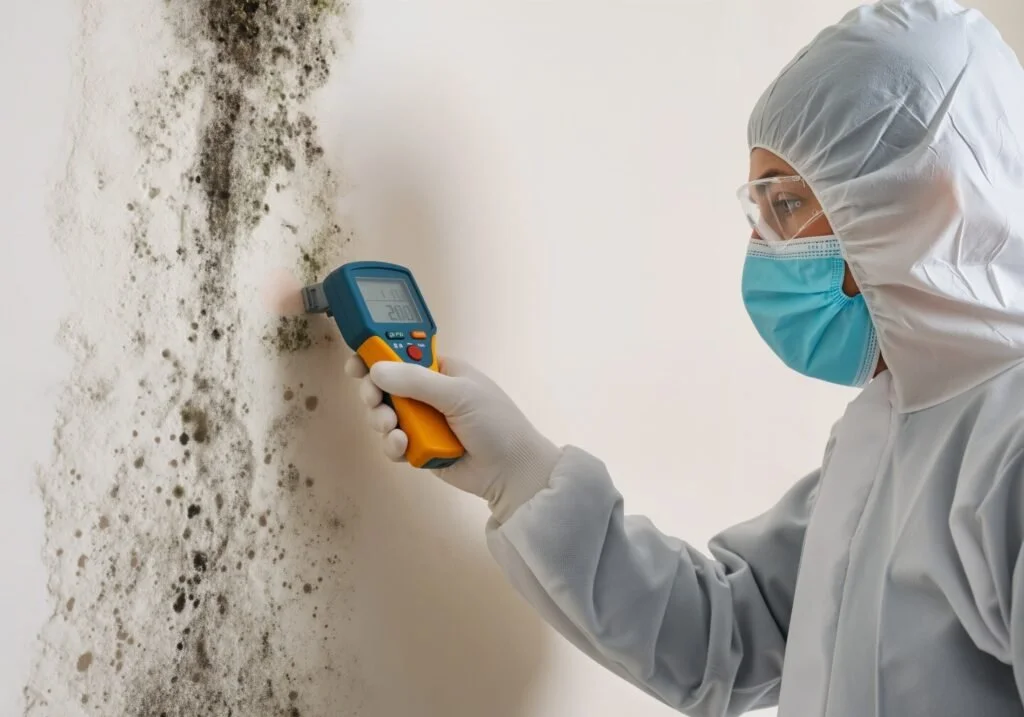
A thorough mold inspection involves much more than simply taking air samples. A qualified inspector asks questions about the source of water intrusion to understand the full scope of potential damage.
Common causes include:
Flooding or storm damage
Broken pipes or plumbing leaks
Roof leaks
Overflowing toilets, washing machines, or dishwashers
Understanding the source of the moisture is the first step, but a professional inspection doesn’t stop there.
Inspecting Beyond the Obvious
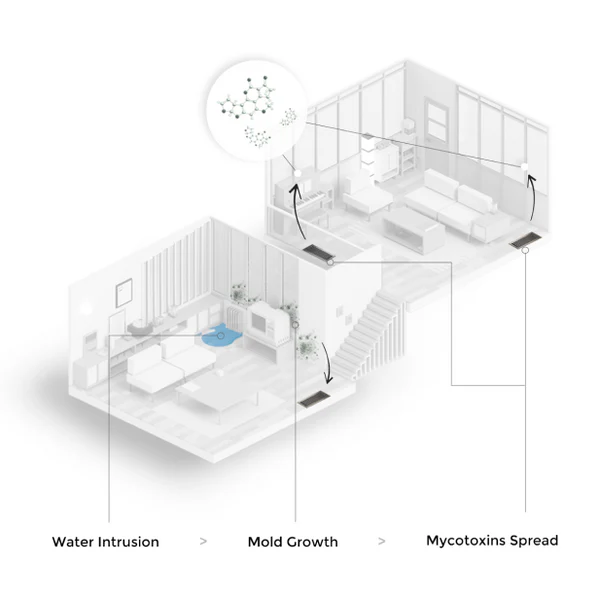
Water will always follow the path of least resistance. The area where the leak occurred is rarely the only spot affected. For example, a broken pipe connected to an upper-level toilet can cause water damage to:
The bathroom where the leak occurred
Rooms below the leak
Surrounding walls, ceilings, and floors
A thorough inspection identifies all impacted surfaces to prevent future mold growth and reduce mycotoxin contamination.
What a Thorough Mold Inspection Includes
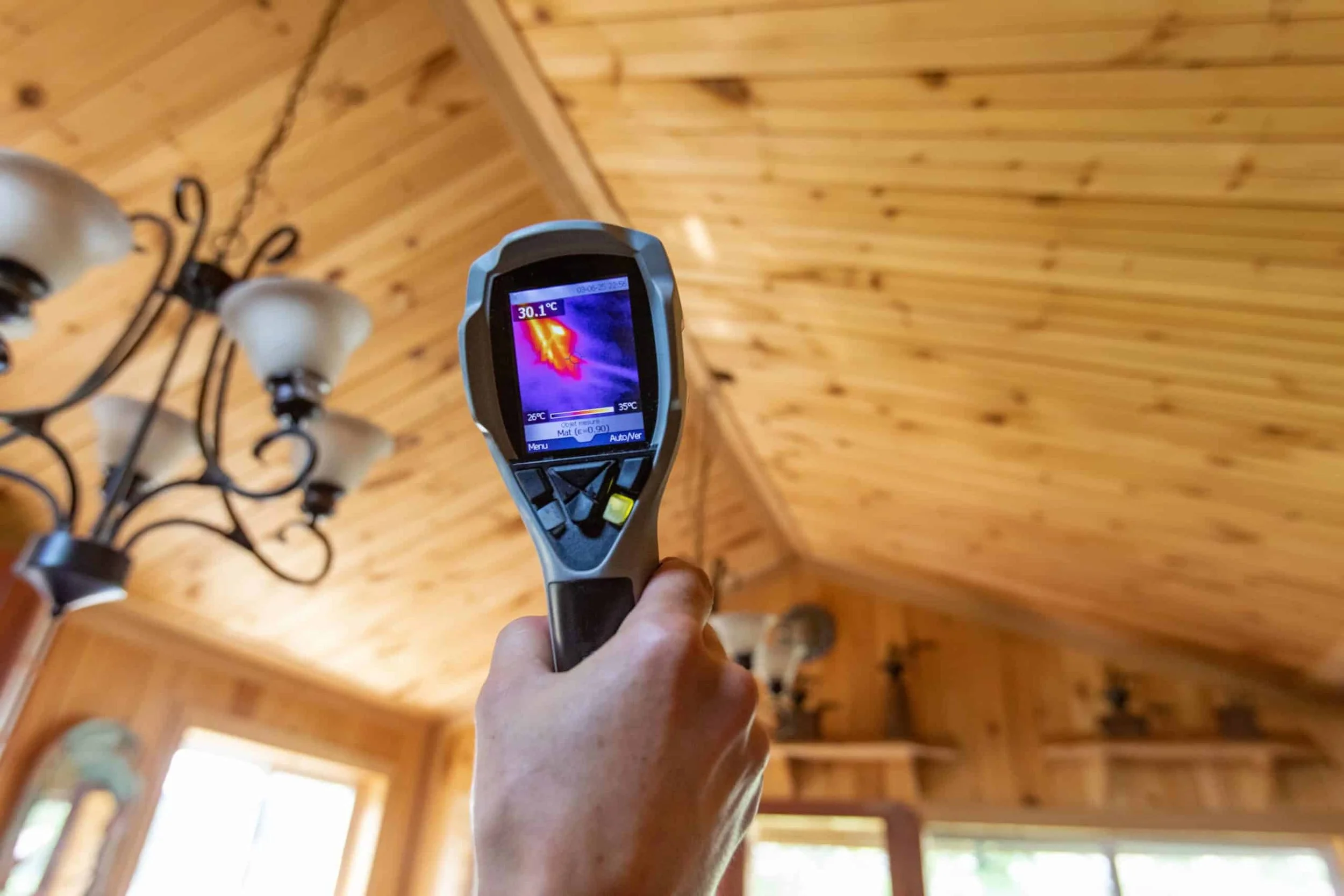
Professional mold inspectors typically perform the following steps:
Visual inspection for mold or water damage
Moisture readings of walls, floors, and ceilings
Temperature and humidity measurements
Infrared camera scanning to detect hidden moisture
Air and surface sampling to determine if mold is present
Spore Trap Testing and Air Sampling
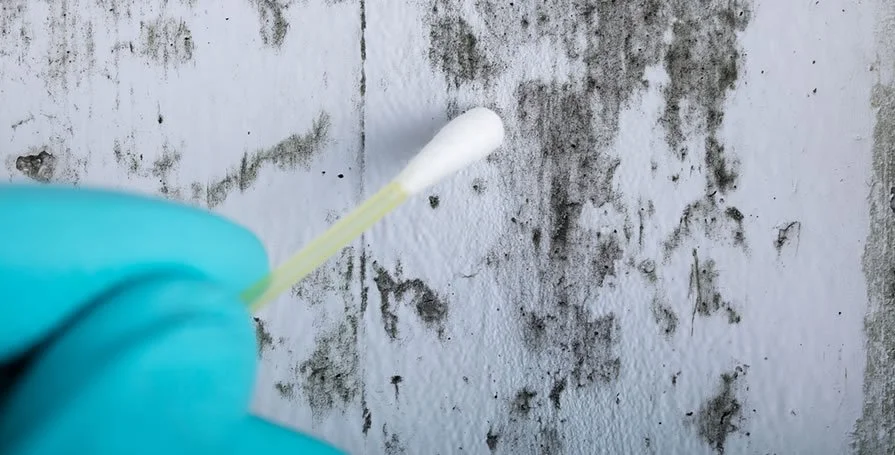
One standard method is spore trap testing, which collects air samples to measure mold spores indoors.
The process usually includes:
Outdoor control sample – provides a baseline for comparison
Indoor sampling – taken in affected areas where mold is visible or odors are present
Additional areas – tested if moisture has spread, humidity is high, or occupants show symptoms
Sampling often focuses on bedrooms or areas most frequently used by those sensitive to mold. Contaminated air can have a deeper impact during sleep when the body undergoes restorative processes.
Why Professional Mold Inspection Matters
A professional mold inspection ensures:
Accurate identification of mold growth and affected areas
Proper documentation for remediation or insurance
Safe and effective removal of contaminated materials
Peace of mind knowing your property is properly assessed
If you’ve experienced water damage or notice signs of mold, calling a certified mold inspector early can prevent small issues from turning into costly and hazardous problems. Proper testing and assessment help you address moisture and mold before it affects your property or health.
